Where to watch: Iceland or Spain?
The path of totality on August 12, 2026 crosses eastern Greenland, the west of Iceland and northern Spain (clipping a sliver of Portugal). For most travellers the real choice comes down to two very different experiences — a high afternoon Sun in Iceland, or a sunset eclipse on the Spanish horizon. Here is how to choose, when to arrive, and what to pack.
The two options at a glance
Totality lands around 5:48 PM local with the Sun about 25° above the horizon — easy to watch and photograph, no horizon problem. The catch is weather: August in Iceland is often cloudy, so flexibility (and a car) matters. The Westfjords and Reykjanes peninsula get the longest totality.
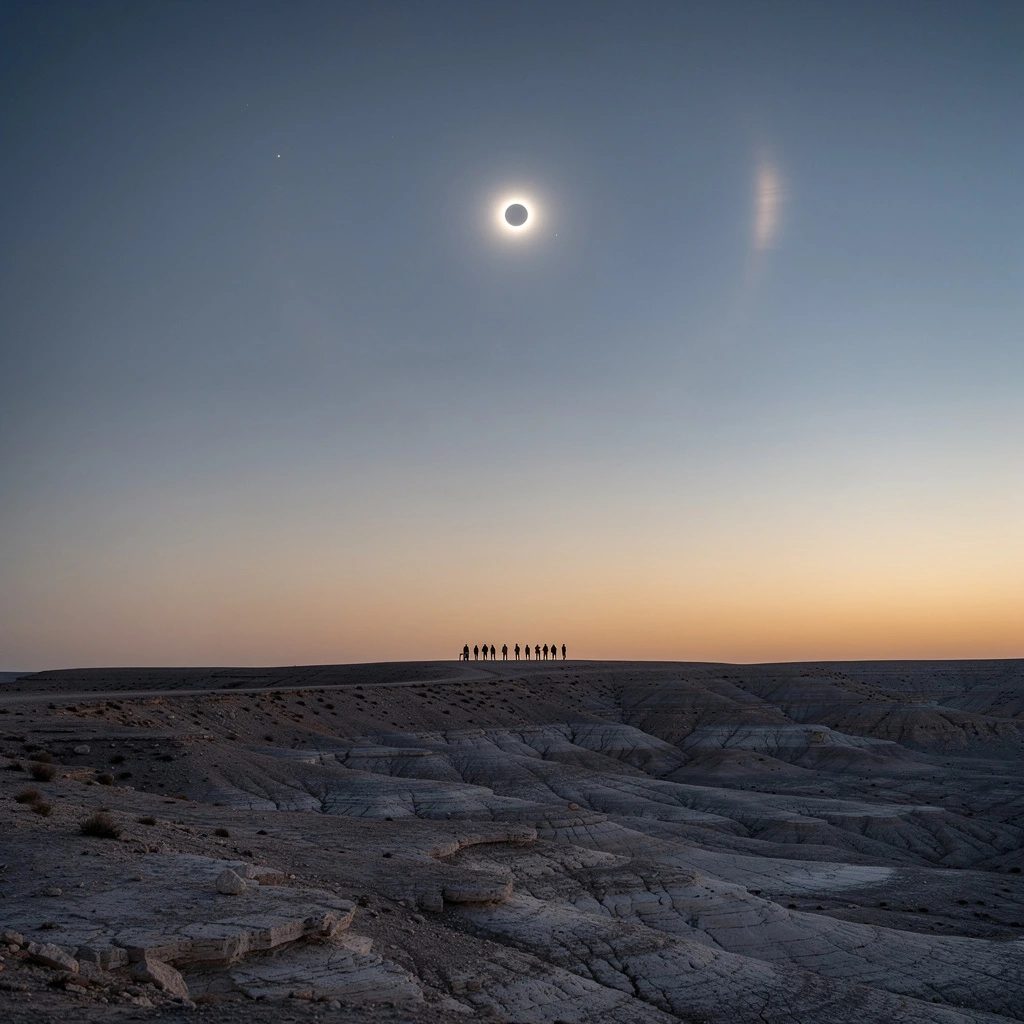
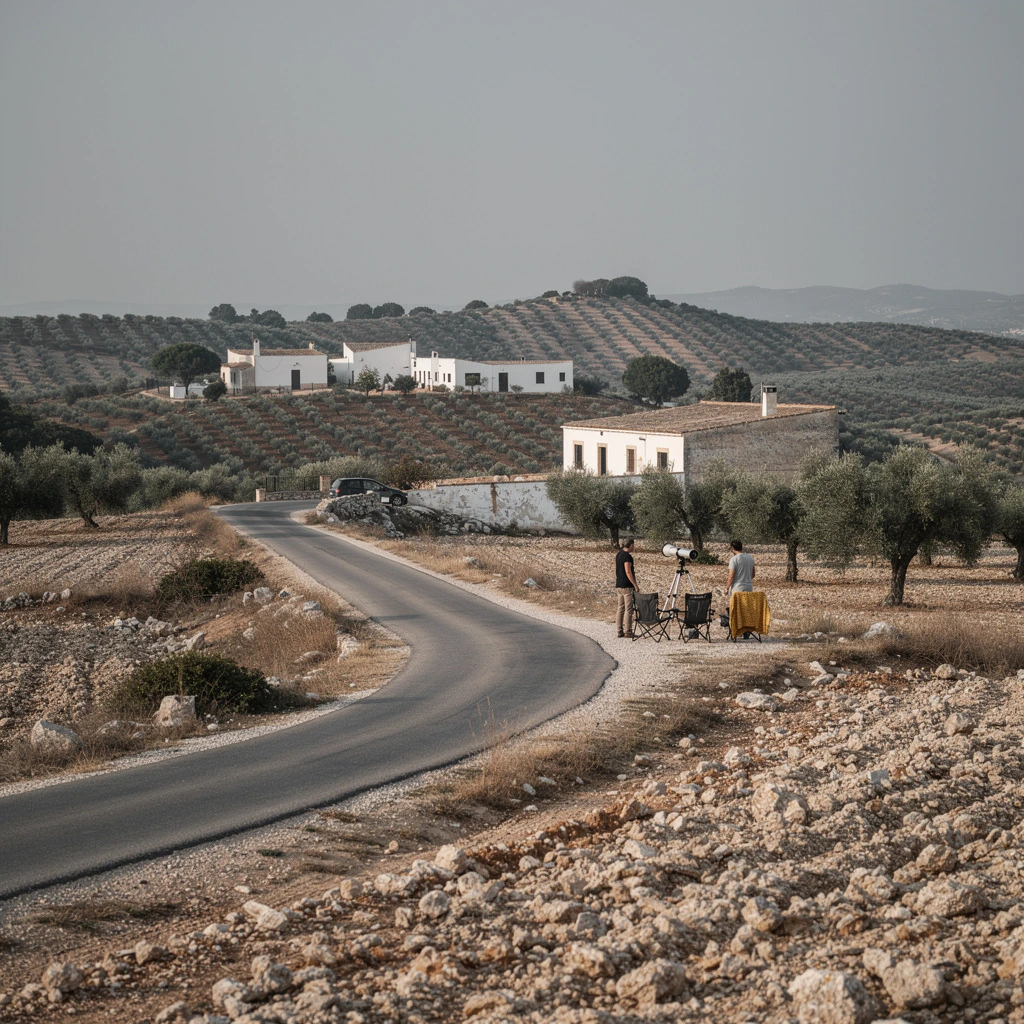
Totality comes around 8:27–8:33 PM local with the Sun just 3–12° up, sinking toward the horizon — a rare, photogenic "eclipse on the horizon." You must have a completely flat, unobstructed view to the west, and clearer skies favour inland Aragón and the Mediterranean coast over the cloudier north.
Best spots in Iceland
Inside the path along the west coast — the Sun sits comfortably up, so any open view works.
Best spots in Spain
Ranked by how long totality lasts. The Sun is very low, so pick a vantage with a clear horizon toward the west-northwest — a hill, a coast, or open plain.
- OviedoAsturias, Spain1 min 51 sec8:27 PM CEST · Sun 10°
- GijónAsturias, Spain1 min 48 sec8:27 PM CEST · Sun 10°
- BurgosCastile and León, Spain1 min 47 sec8:29 PM CEST · Sun 8°
- Palma de MallorcaBalearic Islands, Spain1 min 39 sec8:31 PM CEST · Sun 3°
- Castellón de la PlanaValencian Community, Spain1 min 37 sec8:31 PM CEST · Sun 5°
- ValladolidCastile and León, Spain1 min 31 sec8:30 PM CEST · Sun 9°
- ZaragozaAragón, Spain1 min 27 sec8:29 PM CEST · Sun 6°
- LogroñoLa Rioja, Spain1 min 24 sec8:28 PM CEST · Sun 8°
- A CoruñaGalicia, Spain1 min 20 sec8:28 PM CEST · Sun 12°
- IbizaBalearic Islands, Spain1 min 11 sec8:33 PM CEST · Sun 3°
- Vitoria-GasteizBasque Country, Spain1 min 8 sec8:28 PM CEST · Sun 8°
- SantanderCantabria, Spain1 min 7 sec8:27 PM CEST · Sun 9°
- ValenciaValencian Community, Spain1 min 6 sec8:32 PM CEST · Sun 5°
- TarragonaCatalonia, Spain1 min 4 sec8:29 PM CEST · Sun 4°
- BilbaoBasque Country, Spain36 sec8:27 PM CEST · Sun 8°
- LleidaCatalonia, Spain34 sec8:29 PM CEST · Sun 5°
What chasing this eclipse taught us
These were the rules of thumb for August 12, 2026, and they carry straight over to the next one on August 2, 2027. Cloud cover is always the single biggest risk, so build in the ability to move:
- Book early. Accommodation inside the path fills months ahead — lock in lodging well in advance and arrive 2–3 days before eclipse day.
- Stay mobile. Have a car and a backup site an hour or two away in case the forecast turns; in Spain, keep an alternative with a different horizon aspect.
- Scout your horizon. Especially in Spain — visit your spot the day before and confirm nothing (hills, buildings, trees) blocks the low western sky.
- Beat the traffic. Popular sites jam up on eclipse day; be in position hours early.
Eclipse glasses: sort this out first
Certified ISO 12312-2 eclipse glasses are the one thing you cannot improvise, and they sell out in the weeks before any eclipse — order early and bring a spare pair per person. They stay on for the entire partial phase; you remove them only during totality, and only if you are inside the path.
What to pack
Beyond glasses, a short kit makes the day far better — especially for a low-horizon sunset eclipse in Spain.
- Certified ISO 12312-2 eclipse glasses (2+ pairs per person) — the only non-negotiable
- Binoculars or a small telescope with a front solar filter — for the partial phase and the Sun's edge
- A camera with a solar filter, or a phone tripod — totality only lasts a minute or two — practise first
- Layers, water and a folding chair — you'll be in position for hours
- Offline maps and a backup viewing site — in case clouds force a move
Guided eclipse tours
Plenty of astronomy operators run organised trips to Iceland and Spain that bundle lodging, transport to a scouted site, expert guidance and often group eclipse glasses — a low-stress option if you'd rather not chase the weather yourself. Look for tours recommended by established astronomy organisations.
Common questions
Iceland or Spain — which is the better bet?
It is a genuine trade-off. In Iceland totality is a mid-afternoon event with the Sun about 25° above the horizon, so it is easy to see — but Iceland's maritime climate carries a real August cloud risk. In Spain totality comes minutes before sunset with the Sun only a few degrees up, which is spectacular but needs a completely flat, open horizon toward the west and statistically clearer skies inland and on the Mediterranean coast.
Will I see totality from Madrid or Barcelona?
No. Both sit just outside the path of totality and see a very deep partial eclipse instead (around 99.8–99.9% of the Sun covered), so eclipse glasses stay on the entire time. To stand in the Moon's shadow you need to be inside the path — in Spain that means cities such as A Coruña, Gijón, Bilbao, Zaragoza, Valencia or Palma.
How long does totality actually last here?
On this track totality is short everywhere — generally one to two minutes, versus a maximum of about 2 minutes 18 seconds out over the North Atlantic. Towns nearer the centre line (Gijón, Oviedo, Burgos in Spain; the Westfjords in Iceland) get the longest stretches; places near the edge get only seconds.
Do I still need eclipse glasses if I travel into the path?
Yes. The only moment it is safe to look without certified ISO 12312-2 filters is during totality itself, and only if you are inside the path. Before and after — the entire partial phase — glasses are mandatory. Anywhere outside the path they never come off.
Before you go
How to choose the best eclipse viewing location →
Comparing viewing destinations
More comparing viewing destinations