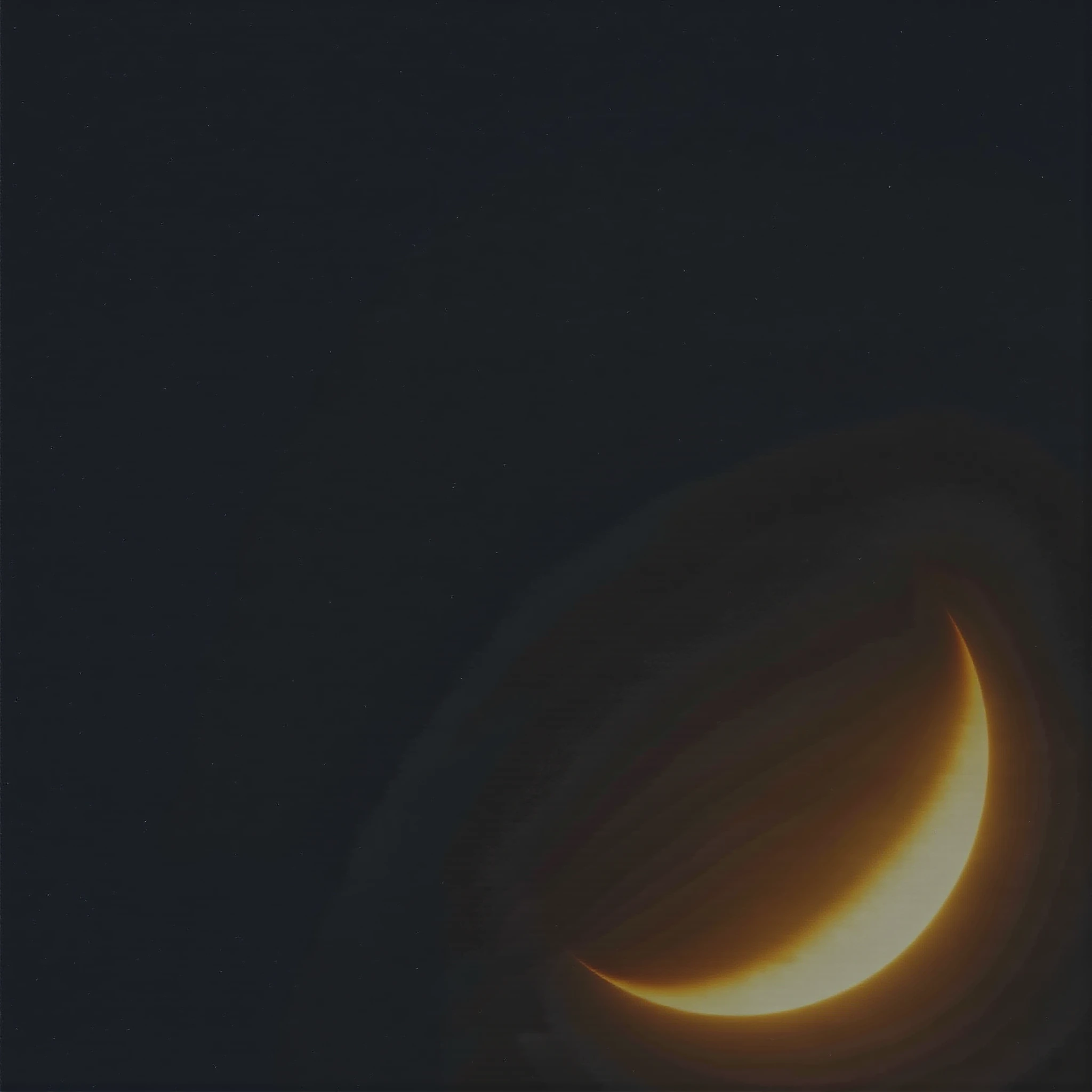
Choosing Where to Watch a Solar Eclipse
Where you stand for a solar eclipse matters enormously — the difference between a spectacular few minutes of totality and a cloud-blocked near-miss can come down to a drive of an hour or two. Getting inside the path of totality is the first priority, and then a handful of practical choices will help you make the most of it. Here is how to think through the decision.
Get inside the path — no compromises
A total eclipse only happens inside the narrow path of totality, and nothing outside it comes close. Even a 99% partial eclipse leaves the Sun far too bright to look at without protection, the corona stays hidden, and the sky barely darkens. Travelling into the path is always worth it; watching from just outside is not the same experience at all.
Stand near the centre line for longest totality
The path of totality has edges as well as a centre, and where you stand within it determines how long the sky goes dark. Near the centre line, totality lasts its full duration for that eclipse; near the edges, it can shrink to just a few seconds. If you have any choice of location, aim for the centre line or as close to it as you can get.
Cloud cover is your biggest enemy
The single greatest risk to your eclipse is an overcast sky — and there is nothing you can do about clouds once they arrive. Watch forecasts carefully in the days before, and if you can, keep your plans flexible enough to drive toward clearer skies on the morning of the eclipse. A two-hour detour to blue sky is one of the best decisions you can make.
Think about where the Sun will be in the sky
At eclipse time the Sun may be fairly low on the horizon, depending on the location and time of year. If so, a hilltop, open field, or waterfront with a clear view in that direction will serve you far better than a spot hemmed in by trees or buildings. Check the Sun's altitude and azimuth for your planned location so you know exactly where to look.
Plan for crowds and give yourself time
Popular eclipse sites — state parks, hilltops with famous views, city centres in the path — fill up fast, and the roads leading out can jam for hours afterwards. Arrive well before first contact, have a clear idea of where you will set up, and think through your exit route in advance. Sometimes a quieter field a few kilometres from the famous viewpoint gives you the same totality with a fraction of the stress.
Common questions
Does it matter exactly where inside the path of totality I stand?
Yes. Standing near the centre line gives you the maximum totality duration for that eclipse — which can be several minutes. Near the edges, totality shrinks to seconds. Always aim for the centre line if you can.
What if the forecast looks bad for my planned location?
Be ready to move. Cloud cover is the single biggest risk to seeing an eclipse, and chasing clear sky by driving an hour or two is often all it takes. Watch forecasts in the days before and keep your plans as flexible as possible.
Is it worth travelling a long way if I can only reach the edge of the path?
Travelling into the path is absolutely worth it — but try to get to the centre line rather than the very edge. A deep partial eclipse, even 99%, looks nothing like totality. The corona, the darkness, the temperature drop — all of that only happens inside the path.
Keep reading
Planning a viewing trip
More planning a viewing trip