Total solar eclipse — August 12, 2026
The eclipse in view
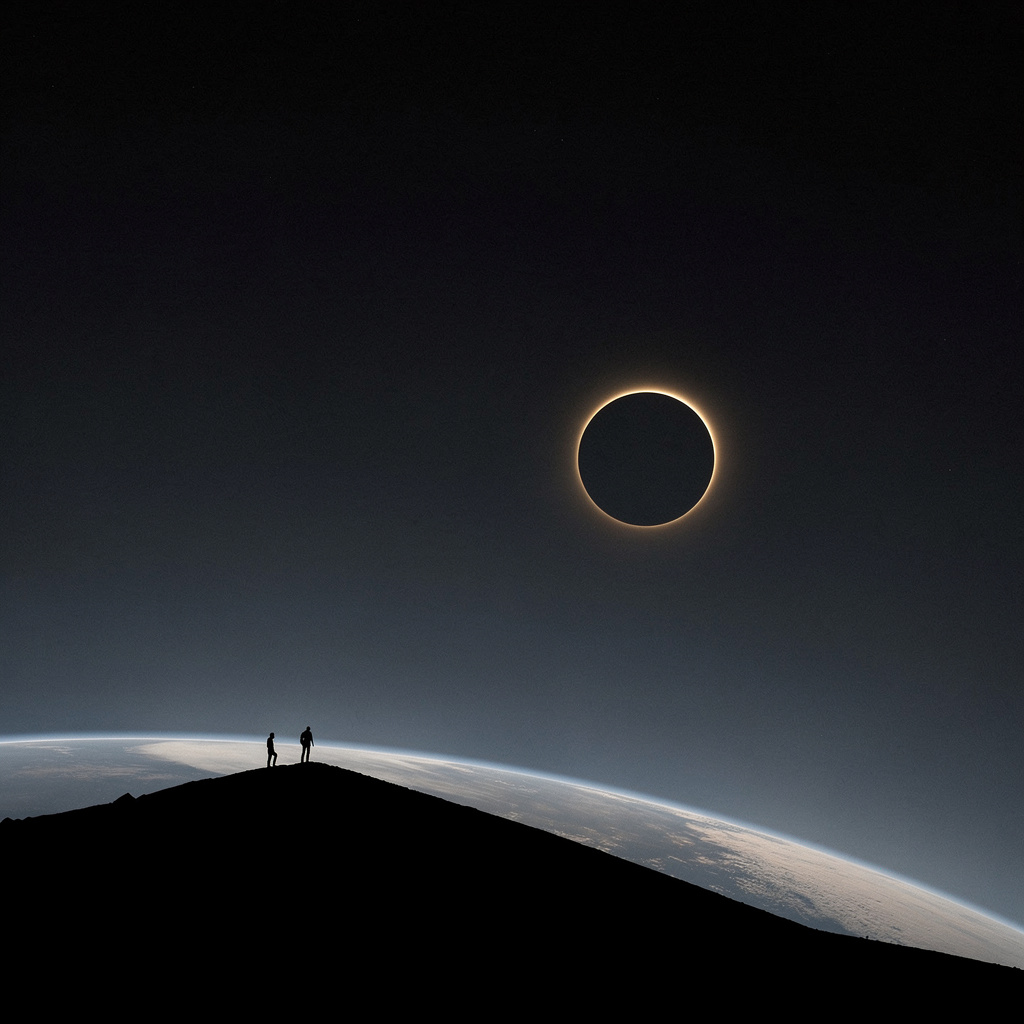
More the eclipse in view
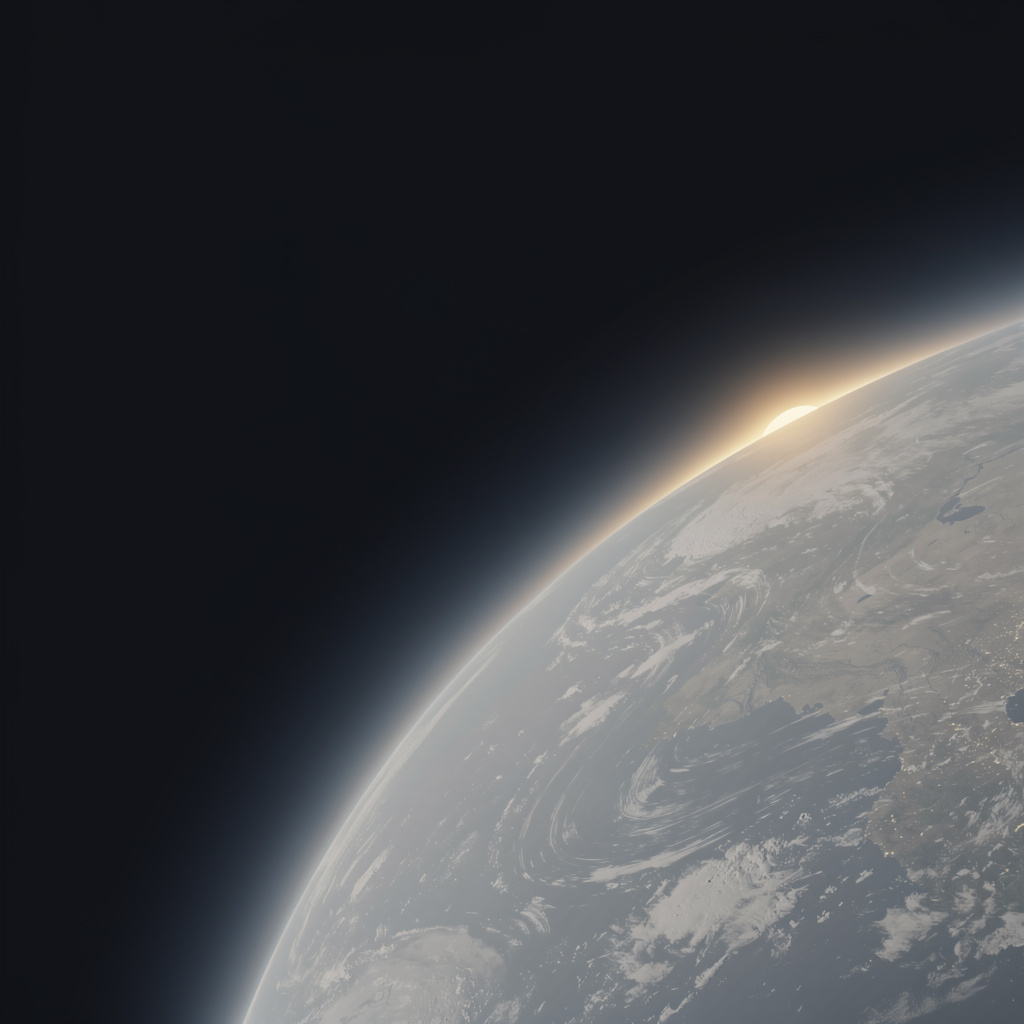
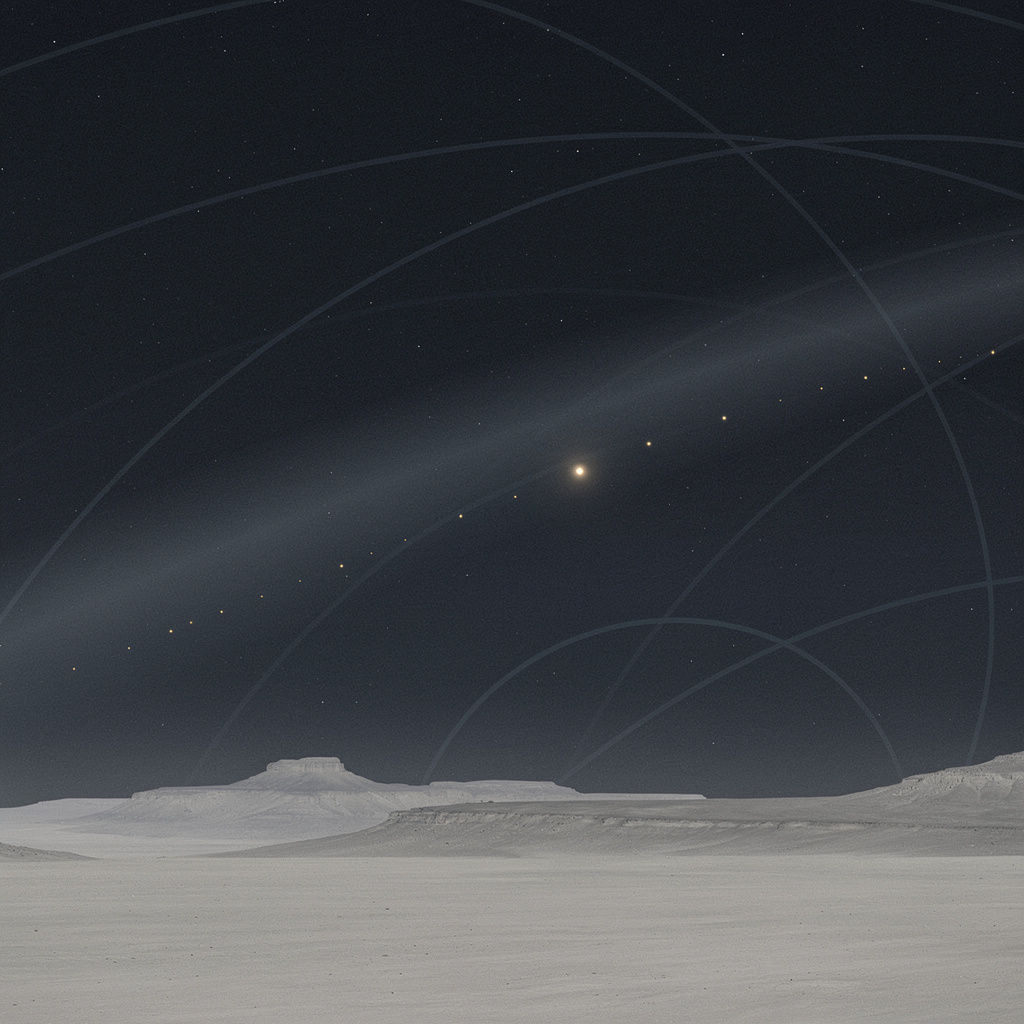
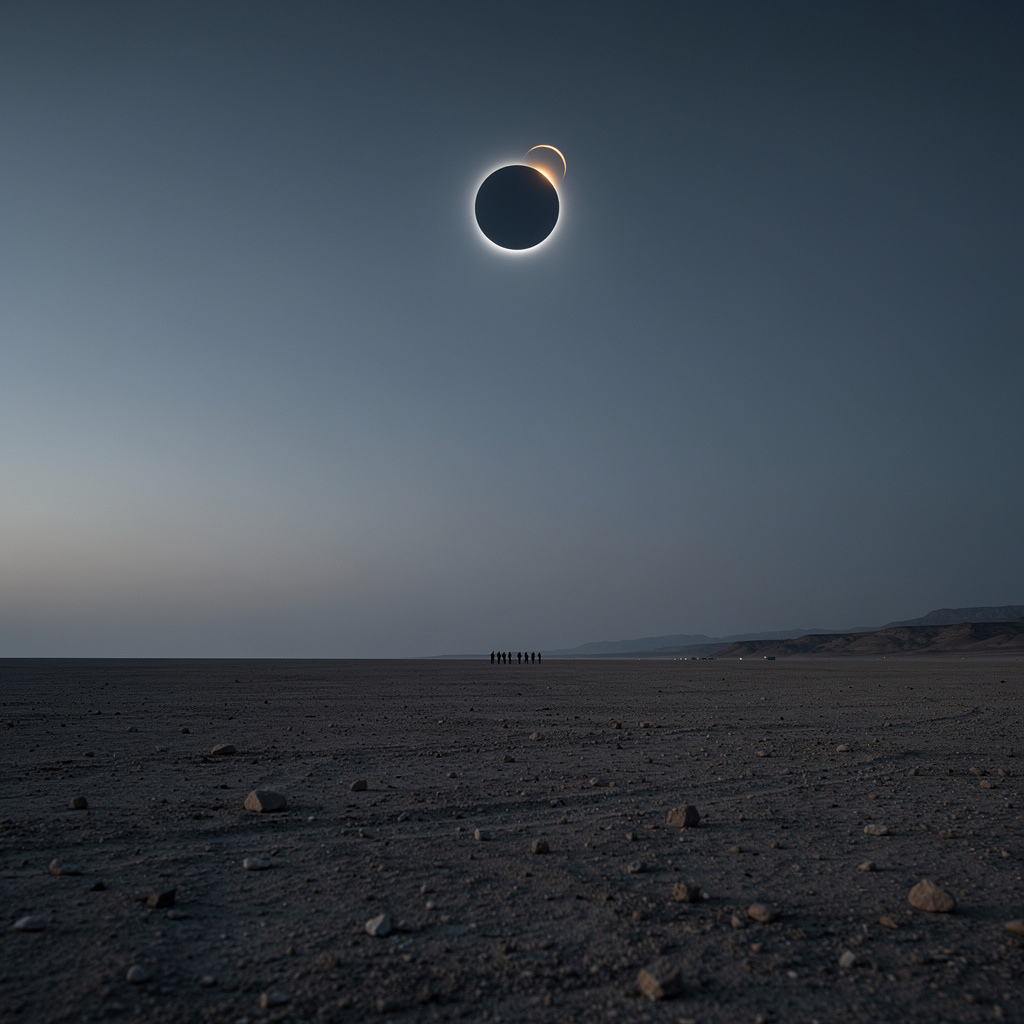
Where totality passed
Along a narrow path the Moon fully covered the Sun. Outside it, the eclipse was partial. These were the local times at each spot:
-
Westfjords · LátrabjargLongest on landIceland5:47 PM GMTup to 2m 13s
-
ReykjavíkIceland5:48 PM GMT1 min 5 sec
-
ValenciaNear sunsetSpain8:32 PM CEST1 min 6 sec
-
Palma de MallorcaSpain8:31 PM CEST1 min 39 sec
-
BilbaoSpain8:27 PM CEST36 sec
Chasing the next one? Start planning
The next total solar eclipse — August 2, 2027 — is the big one: up to 6 minutes 27 seconds of totality across southern Spain, North Africa and Egypt, the longest stretch visible from land for almost a century. Lodging on that path books out early.
We may earn a commission from links on this page, at no extra cost to you.
Who saw a partial eclipse?
Even outside the path, a deep partial eclipse was visible across the UK & Ireland (90%+ in places), much of Europe, and the far north-east of North America. See exactly what your city saw — local times and coverage for cities across Iceland, Spain, the UK, and beyond.
Watch it safely
Looking at the Sun without certified eclipse glasses (ISO 12312-2) can permanently damage your eyes. Ordinary sunglasses are not safe. The only time it's safe to look with the naked eye is during the brief moment of total coverage — and only if you're inside the path of totality.
The complete eye-safety guide → · How eclipses work → · The next eclipses →